
Knowing how to care for indoor plants during a heatwave helps keep your houseplants healthy, happy, and thriving throughout summer. While indoor plants are generally protected from the elements, rising temperatures, dry air and intense sunlight through windows can still cause significant stress.
Whether you have a few favourite houseplants on your windowsill or a home filled with greenery, extreme heat can affect how your plants grow, how much water they need, and where you should position them.
The good news is that a few simple adjustments to your indoor plant care routine can help protect your plants and keep them looking their best, even during the hottest Australian summer days.
Here are 10 practical tips to help you care for indoor plants during a heatwave.
1. Move Indoor Plants Away From Direct Sunlight
One of the most important things to consider when caring for indoor plants in hot weather is their exposure to sunlight.
While many houseplants enjoy bright spaces, intense afternoon sun through windows can create a greenhouse effect, trap heat, and potentially scorch leaves.
Look for signs such as brown patches, crispy edges or faded leaves, which can indicate sun damage.
During particularly hot days:
- Move sensitive plants away from west-facing windows.
- Use sheer curtains to filter strong sunlight.
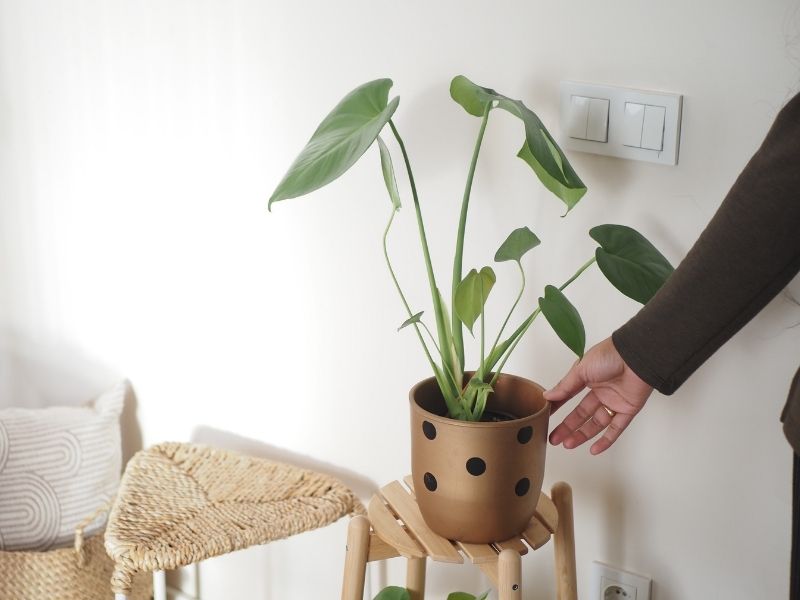
- Position plants a little further back from windows.
- Keep plants that prefer indirect light in bright but sheltered areas.
Remember, different plants have different light requirements, so aim to reduce harsh direct sunlight rather than placing everything in complete darkness.
2. Adjust Your Watering Routine
Knowing when and how much to water is a big part of caring for indoor plants in summer.
Higher temperatures can dry potting mix out more quickly, especially in smaller containers. However, overwatering can be just as harmful as underwatering and can lead to root rot.
Before watering, check the soil by gently feeling the top few centimetres with your finger.
If the soil feels dry, water thoroughly until excess water drains from the bottom of the pot. Empty any excess water sitting in saucers or decorative outer pots.
A good rule of thumb is to check your plants more often in hot weather, rather than automatically watering them more.
3. Keep Plants Away From Air Conditioning and Fans
It may seem like a good idea to place plants directly in front of an air conditioner to keep them cool, but sudden temperature changes and constant airflow can cause problems.
Air conditioning can reduce indoor humidity, creating dry conditions that some tropical houseplants find difficult to tolerate.
Similarly, direct airflow from fans can dry out foliage and potting mix more quickly.
Instead:
- Keep plants away from direct air conditioning vents.
- Avoid positioning plants directly in front of fans.
- Maintain a relatively consistent indoor temperature.
- Consider using a humidifier for plants that prefer higher humidity.
A comfortable household environment is generally suitable for many indoor plants, as long as they aren’t exposed to extreme temperature fluctuations.
4. Increase Humidity for Tropical Plants
Many popular indoor plants, including monsteras, calatheas, ferns, and peace lilies, naturally grow in tropical environments with relatively high humidity.
During a heatwave, indoor air can get particularly dry, especially when air conditioning runs regularly.
To help maintain suitable humidity levels, you can:
- Group plants together to create a slightly more humid microclimate.
- Use a humidifier near humidity-loving plants.
- Place pots on pebble trays filled with water, ensuring the pot bottom sits above the waterline.
- Keep humidity-loving plants in naturally more humid rooms, such as bathrooms with suitable lighting.
Avoid excessive misting as a substitute for proper humidity management; it offers only temporary benefits and can encourage fungal issues in some conditions.
5. Avoid Repotting During Extreme Heat
Repotting can stress plants, even under normal conditions. During a heatwave, the additional stress can make it harder for plants to recover.
Disturbing the roots, changing the potting mix and moving a plant into a new environment can all affect its ability to absorb water.
Unless absolutely necessary, postpone repotting until temperatures have settled.
If a plant shows signs of heat stress, focus on providing a stable environment, checking its watering needs, and giving it time to recover before making major changes.
6. Check Plants Near Windows and Glass Doors
Windows and glass doors can get surprisingly hot in summer, especially when they get direct afternoon sun.
Even if the rest of your home feels relatively cool, the temperature immediately beside a window can be significantly higher.
Plants on windowsills, beside sliding doors, or in enclosed sunrooms may be especially vulnerable.
Check these areas and relocate plants if needed. You may also want to close blinds or curtains during the hottest part of the day to reduce heat entering the room.
7. Remove Dead or Damaged Leaves
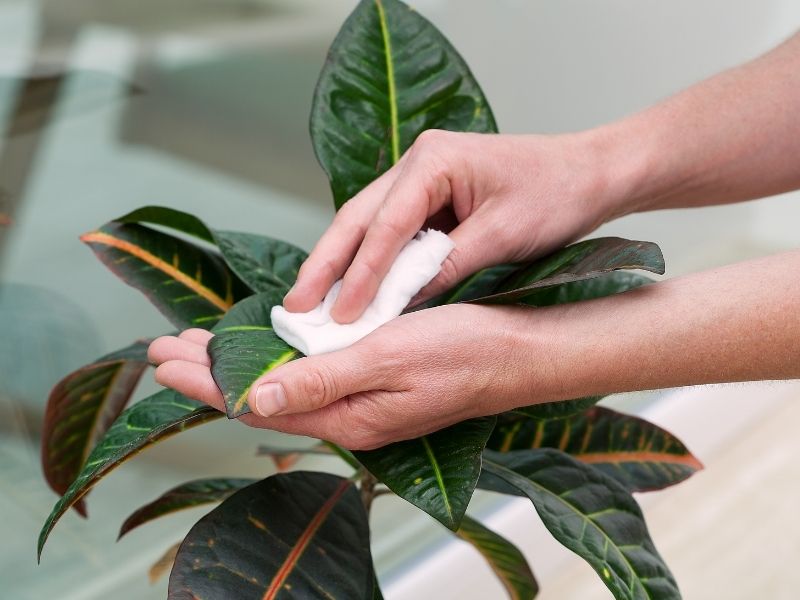
Regular maintenance is another key part of caring for indoor plants and keeping them looking their best during summer.
Heat stress can cause leaves to turn yellow or brown, become crispy, or otherwise be damaged. Removing completely dead foliage can improve the plant’s appearance and help prevent decaying material from attracting pests.
Use clean, sharp scissors or pruning shears and avoid removing too much healthy foliage.
If a plant has suffered significant heat damage, resist the temptation to cut everything back immediately. Give it time to recover and assess which leaves genuinely need removing.
8. Look Out for Pests
Hot, dry indoor conditions can make certain common houseplant pests more noticeable.
Spider mites, in particular, thrive in warm, dry conditions and can cause damage to leaves by feeding on plant tissue.
Other pests to watch for include:
- Mealybugs: Small, white, cotton-like insects that gather around stems and leaf joints.
- Scale insects: Small, raised bumps that attach themselves to leaves and stems.
- Aphids: Tiny insects that cluster around new growth.
- Spider mites: Very small pests that can leave fine webbing and speckled or discoloured leaves.
Check the undersides of leaves and around stems regularly. If you notice pests, isolate affected plants where possible and treat them with a suitable product.
9. Don’t Fertilise Heat-Stressed Plants
It can be tempting to give struggling plants a little extra help with fertiliser, but this isn’t always the best approach during a heatwave.
When temperatures are extreme, many plants slow growth and focus energy on surviving.
Adding fertiliser can encourage new growth when the plant is already under stress and may increase the risk of root damage if applied incorrectly.
Wait until temperatures have cooled and your plants are showing signs of healthy growth before returning to your usual fertilising routine.
10. Create a Consistent Indoor Plant Care Routine
One of the easiest ways to care for indoor plants through summer is to set up a simple maintenance routine.
Instead of waiting until your plants start looking unhealthy, regular checks can help you spot problems early.
Your weekly indoor plant care checklist could include:
- Checking soil moisture levels.
- Looking for yellowing, browning or damaged leaves.
- Inspecting plants for pests.
- Checking that plants aren’t receiving too much direct sunlight.
- Removing dead leaves and collecting fallen foliage.
- Checking that pots have adequate drainage.
- Making sure plants aren’t positioned directly in front of air conditioning vents.
A little regular attention can go a long way towards keeping your indoor greenery healthy.
Keep Your Indoor Plants Happy This Summer
Caring for indoor plants during a heatwave doesn’t have to be complicated. By adjusting your watering routine, managing sunlight exposure, maintaining suitable humidity, and watching for signs of heat stress, you can help your houseplants stay healthy even during the hottest Australian summers.
Remember that every plant is different. Some varieties tolerate heat and dry conditions more naturally, while others need extra attention. Adjust your approach based on your plants’ needs and your home’s conditions.
Remember, caring for your indoor plants is just one part of maintaining a comfortable, welcoming home.
At KompleteClean, we’re here to help make everyday home maintenance easier. From household cleaning to keeping your living spaces fresh, tidy and comfortable, a little extra support can make all the difference.
Book today to learn how KompleteClean can help you maintain a home you love.