

Have you ever walked into your home and noticed a damp, stale, or slightly earthy smell that just won’t go away? A musty smell in a home is surprisingly common, and while opening a window or lighting a candle might temporarily mask it, there is usually an underlying cause that needs attention.
Musty smells can develop because of moisture, poor ventilation, hidden dirt, mould or mildew, damp fabrics, and even areas of the home that haven’t been thoroughly cleaned in a long time.
The good news is that once you identify where the smell is coming from, there are plenty of ways to help bring freshness back into your home.
Here are some of the most common reasons your house might smell musty and what you can do about them.

What Causes a Musty Smell in House Environments?
A musty smell generally develops when moisture and organic material combine in areas with limited airflow. This can create the perfect environment for mildew, mould or bacteria to develop.
Sometimes the source is obvious, such as a damp bathroom or wet carpet. Other times, it may hide underneath furniture, inside cupboards, or behind appliances.
If the smell returns quickly after cleaning or airing out the room, it may signal a deeper moisture or cleaning issue that needs investigating.
Excess Moisture and Humidity
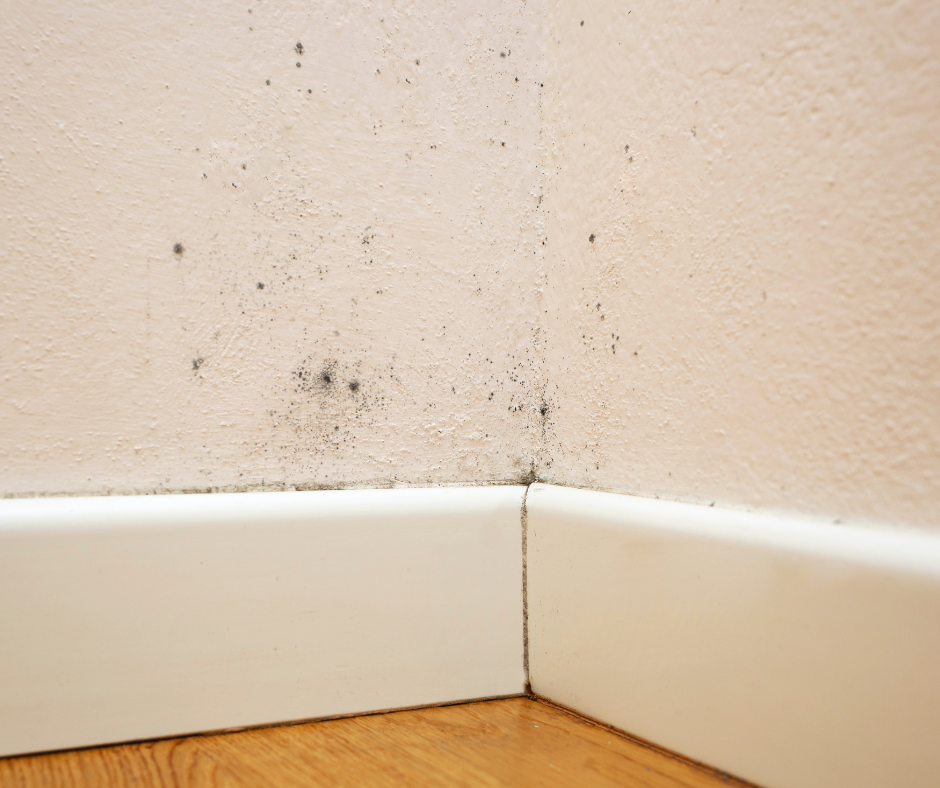
One of the biggest causes of a musty smell in house spaces is excess moisture.
Bathrooms, laundries and kitchens naturally produce moisture through showers, baths, cooking and washing. If that moisture cannot escape, it may settle on walls, ceilings, windows, tiles and other surfaces.
Simple ways to reduce moisture can include opening windows when weather allows, using exhaust fans when showering or cooking, drying wet surfaces after use, avoiding leaving damp towels or clothing in piles, and using a dehumidifier in particularly humid areas.
Keeping the home well-ventilated can noticeably reduce moisture levels and unwanted smells.

Mould and Mildew
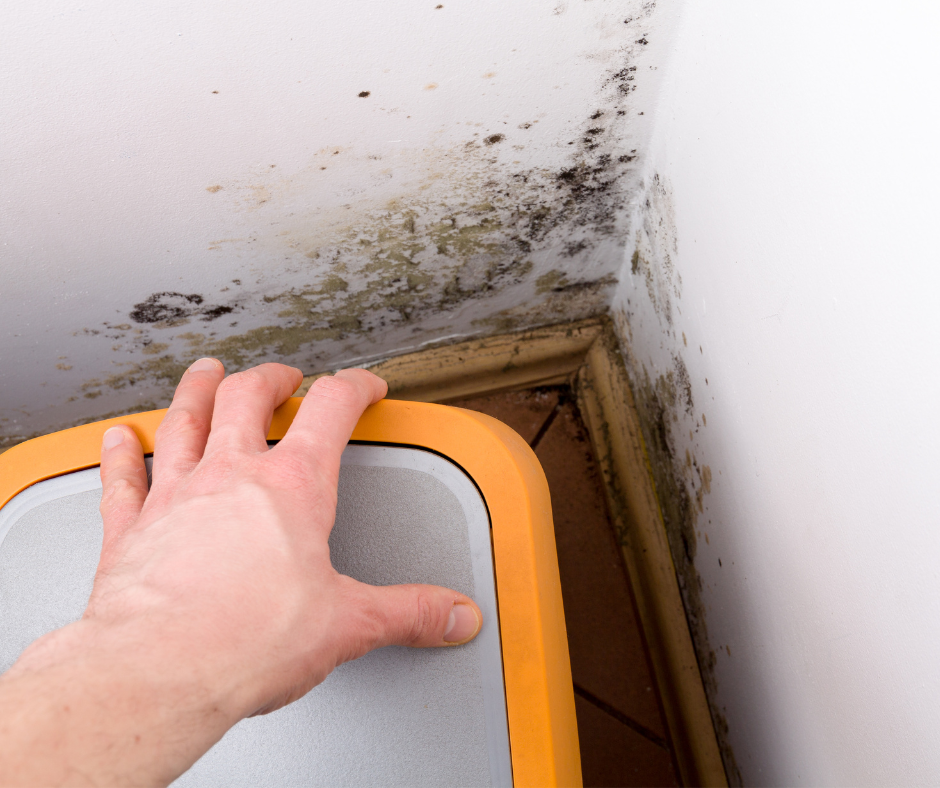
Mould and mildew are another common reason a room may smell damp or earthy.
They often grow in areas exposed to moisture, including bathrooms, window frames, shower screens, tiles, ceilings, and around sinks.
Sometimes mould can also grow in less visible areas, such as behind furniture or inside poorly ventilated cupboards.
Regular cleaning and moisture control can help reduce the conditions that allow mould and mildew to develop. However, if you discover significant or recurring mould growth, investigate whether there is an underlying moisture, ventilation, or water-leak issue.
Damp Carpets and Rugs
Carpets, mats and rugs can hold onto moisture far longer than hard flooring.
A spilled drink, wet shoes, a pet accident, or even excess moisture from cleaning can leave carpet fibres damp beneath the surface. Over time, that moisture can contribute to unpleasant smells.
Regular vacuuming and prompt spill cleanup can help keep carpets fresher.
If a rug has become damp, let it dry completely before putting it back in place.

Wet Towels, Clothing and Fabrics
Sometimes the source of a musty smell is much simpler than expected.
Damp towels left in the bathroom, wet clothing sitting in a washing machine, or cleaning cloths stored before they have fully dried can quickly develop an unpleasant smell.
Soft furnishings can also absorb odours over time.
Remember to wash and properly dry towels, bathmats, bedding, cushion covers, throw blankets, cleaning cloths, and pet bedding regularly.
Keeping fabrics fresh can surprisingly affect how your entire home smells

Forgotten Areas That Need Cleaning
Even regularly cleaned homes can have overlooked areas where dust, dirt, food crumbs, and moisture gradually accumulate.
Common forgotten cleaning spots include under couches and beds, behind refrigerators, under kitchen appliances, inside cupboards, and around skirting boards, behind toilets, window tracks, ceiling fans, rangehood filters, bins and bin cupboards.
If you are experiencing a musty smell in house areas without an obvious source, a thorough clean of these often-forgotten spaces can be a great place to start.

Poor Airflow Inside Cupboards and Wardrobes
Have you ever opened a wardrobe you haven’t used in a while and immediately noticed a stale smell?
Cupboards and wardrobes often have limited airflow, especially when packed tightly with clothing, linen, or stored belongings.
Try leaving wardrobe doors open occasionally to encourage airflow, and avoid storing anything even slightly damp.
Declutter overcrowded cupboards so air has more room to circulate.
Your Washing Machine Could Be the Culprit
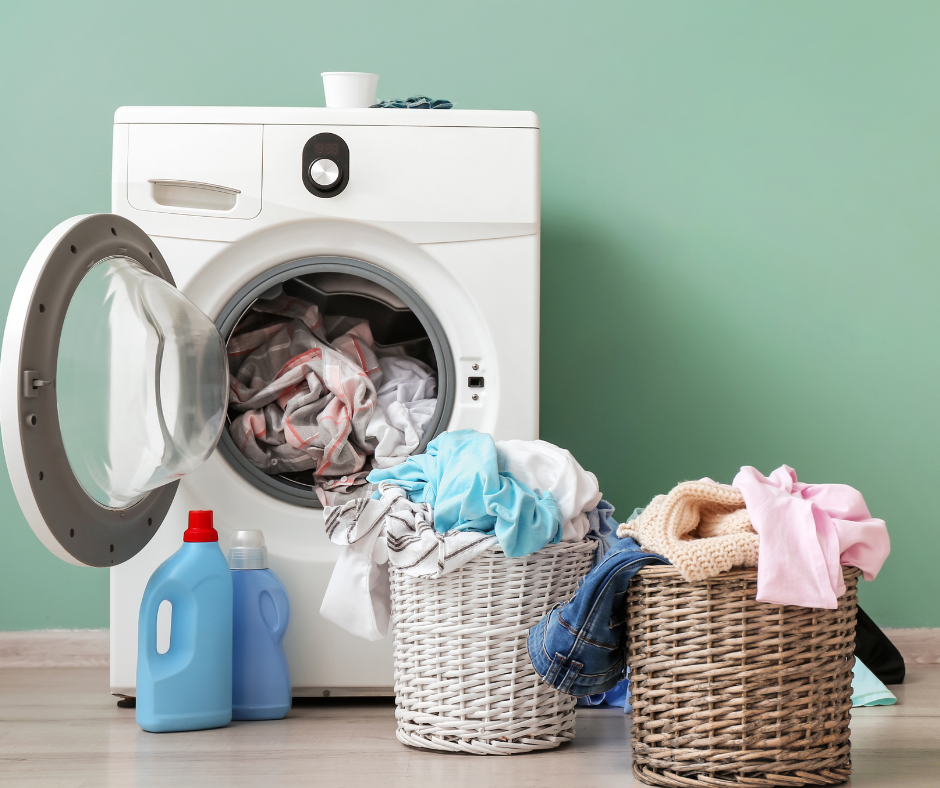
Washing machines deal with water every day, making them another potential source of musty smells.
Moisture can remain inside the drum, detergent drawer or rubber seals after washing, particularly in front-loading machines.
Leaving the washing machine door slightly open between loads can help the interior dry.
Also, regularly wipe down seals and clean detergent drawers according to the manufacturer’s instructions.
Bins, Drains and Kitchen Areas
Not every musty smell comes from moisture alone.
Food scraps, dirty bins, drains and forgotten food underneath appliances can all contribute to stale or unpleasant smells throughout a home.
Regularly empty and clean bins, wipe kitchen surfaces, and clean under appliances to keep these areas fresh.
If a drain develops a persistent or unusual smell, it may be worth having it investigated if normal cleaning doesn’t resolve the problem.
How to Get Rid of a Musty Smell in House Areas
The best approach is to remove the source rather than simply masking the smell.
Start by identifying the room where the smell is strongest and checking for moisture, damp fabrics, mould, spills, or areas you may have overlooked during regular cleaning.
Then thoroughly clean the room and improve ventilation wherever possible.
Cleaning floors, wiping surfaces, washing fabrics and removing accumulated dust can make a significant difference.
Air fresheners and scented products can make a home smell pleasant temporarily, but they won’t solve an underlying moisture or cleanliness issue.
Regular Cleaning Can Help Prevent Musty Smells
Prevention is often easier than dealing with a smell once it becomes noticeable.
A regular cleaning routine helps prevent dirt, dust, spills and moisture from building up in the areas of your home you use every day.
Pay particular attention to bathrooms, kitchens, laundries and other areas where water and humidity are common.
Occasional deep cleaning can also reach spaces not always included in everyday cleaning.

Let KompleteClean Help Keep Your Home Fresh
Sometimes life gets busy, and keeping on top of every room, surface, and forgotten corner of your home can be difficult.
That is where KompleteClean can help.
Our professional cleaning services help keep your home clean, fresh, and comfortable, from regular household cleaning to tackling areas that may not always get the attention they need.
A thorough professional clean can remove built-up dust, grime, and everyday mess that may contribute to unwanted odours throughout your home.
While cleaning cannot repair structural moisture problems or water leaks, keeping your home clean can help prevent many everyday conditions that contribute to unpleasant smells.
Say Goodbye to That Musty Smell
If you have noticed a musty smell in your home, don’t just cover it with a room spray and hope it disappears.
Check for moisture, improve airflow, wash damp fabrics, and thoroughly clean overlooked areas. Finding and addressing the source is usually the most effective way to bring freshness back into your home.
When your cleaning list gets a little too long, KompleteClean is here to help.
Let us take cleaning off your plate so you can enjoy a cleaner, fresher and more comfortable home.