
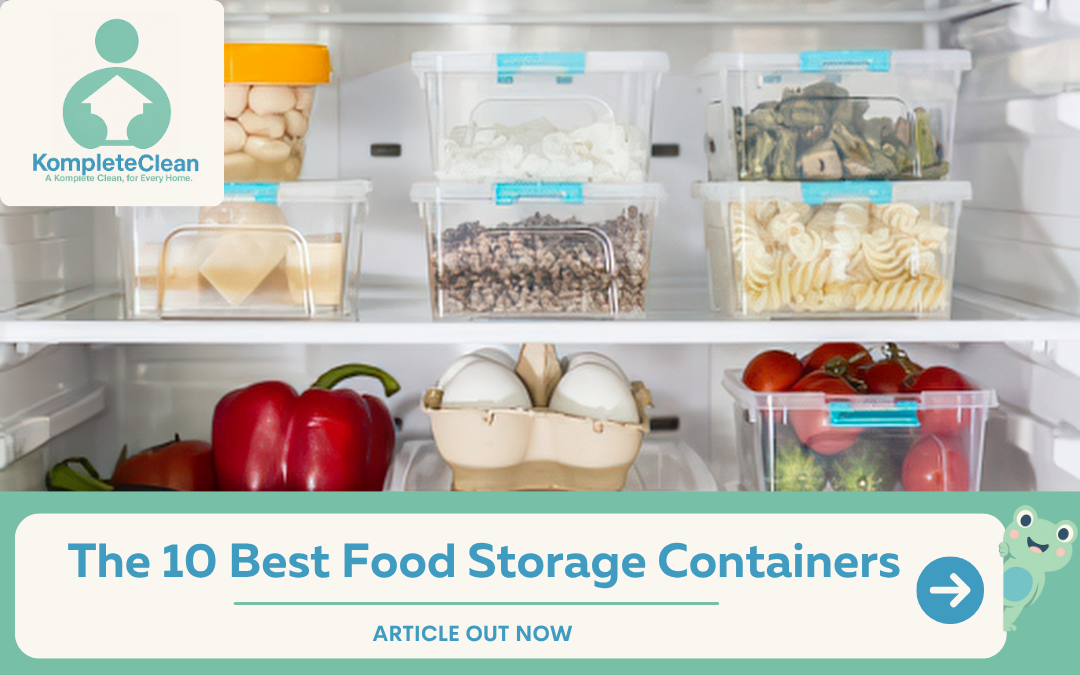
A well-organised fridge can make meal prep easier, reduce food waste, and keep your kitchen more hygienic. One of the simplest ways to improve food storage is to invest in good-quality food storage containers.
From glass containers for leftovers to reusable silicone bags for snacks and freezer meals, the right food storage containers can help keep food fresh, prevent spills and make your fridge easier to clean.
But choosing the right containers is only part of keeping your kitchen healthy. Regularly cleaning your fridge, cupboards, benches and other kitchen surfaces is just as important.
So, what should you look for when choosing food storage containers? Here are 10 popular options to consider.
1. Glass Food Storage Containers
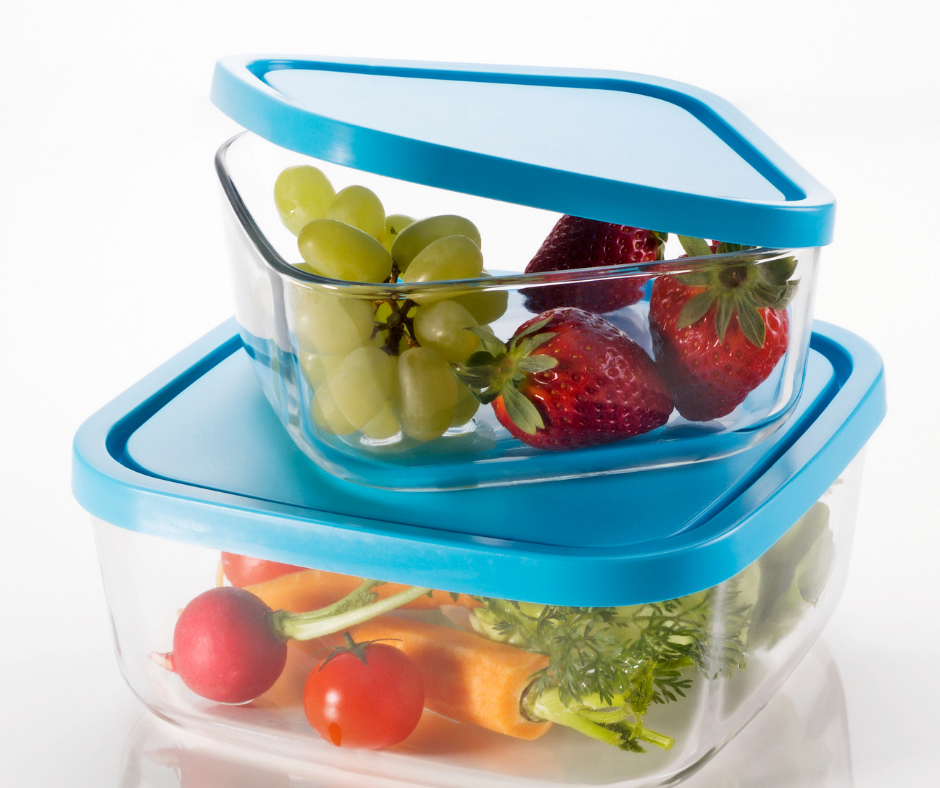
Glass is one of the most versatile choices for food storage containers. It doesn’t absorb strong colours or smells from foods such as curries, tomato sauces, or garlic, making it easier to keep clean.
Many glass containers can also be used in the fridge, freezer and microwave, while some are oven-safe when the lid is removed. Their transparency also makes it easier to see what’s inside your fridge at a glance.
Glass containers are heavier than plastic, but their durability and versatility make them an excellent choice for everyday leftovers and meal preparation.
2. Airtight Plastic Containers
Plastic remains a popular choice for food storage containers because it is lightweight, affordable and available in a huge range of shapes and sizes.
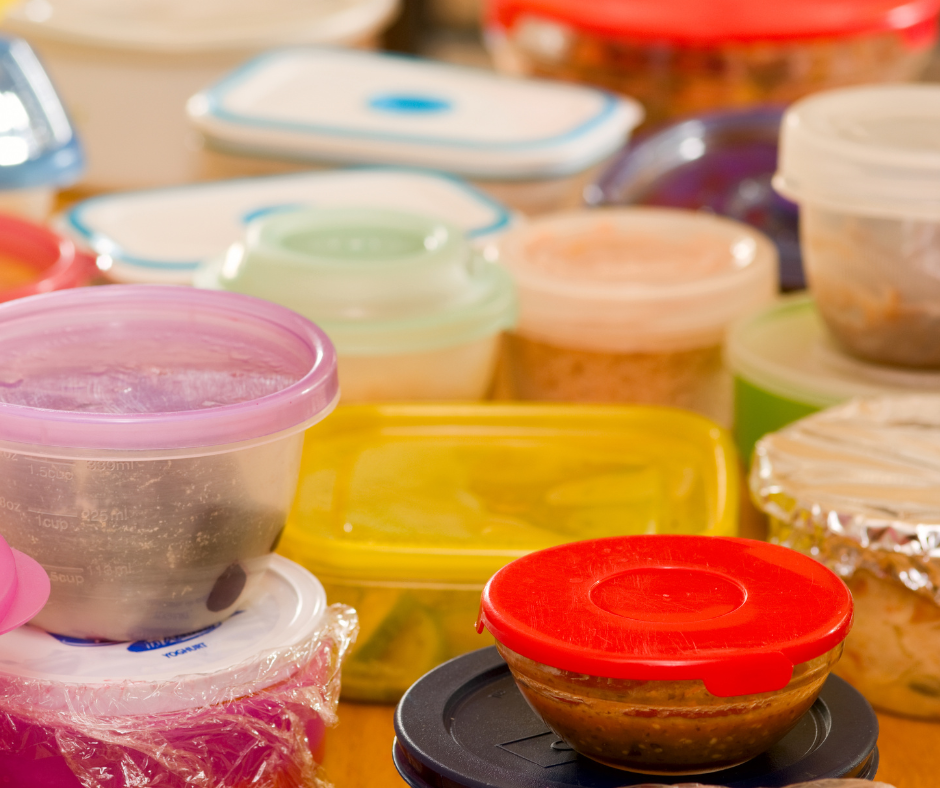
Look for food-grade, BPA-free options with secure, airtight lids. These are particularly useful for storing leftovers, fruit, vegetables and dry ingredients.
The key is choosing good-quality containers rather than holding onto old, cracked or heavily stained tubs. Damaged containers can be more difficult to clean properly and may no longer seal effectively.
3. Stainless Steel Containers
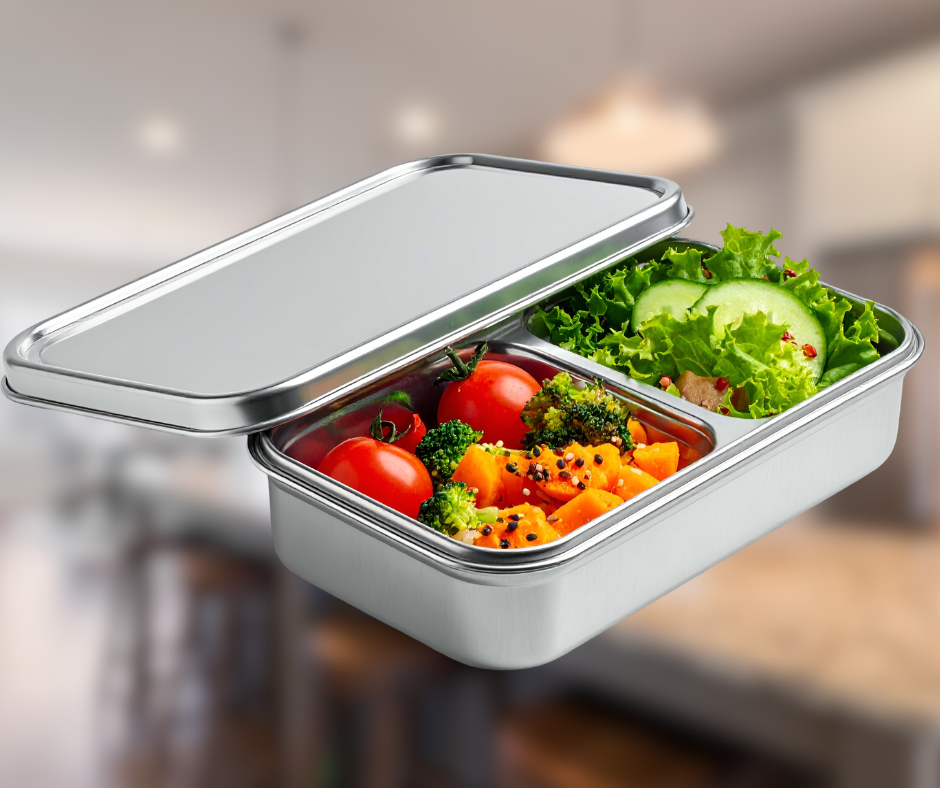
Stainless steel food storage containers are an excellent option when durability is a priority. They’re particularly useful for lunches, snacks and taking food out of the house.
They resist stains and odours and can be extremely long-lasting. However, stainless steel containers generally aren’t suitable for microwave use, so they’re better suited to foods that don’t need reheating directly in the container.
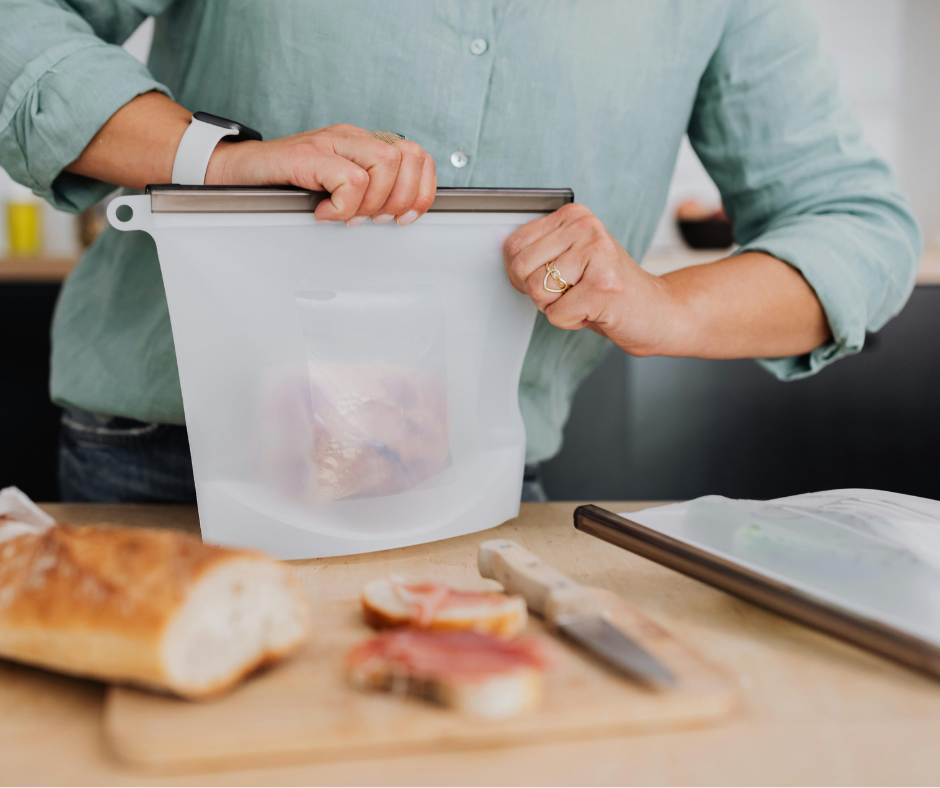
4. Silicone Storage Bags
Reusable silicone bags are a fantastic space-saving alternative to traditional containers. You can use them for everything from storing chopped vegetables and snacks to freezing leftovers.
Because they can be flattened or folded when they’re empty, they’re particularly useful if you’re short on cupboard space.
They’re also handy for keeping smaller items organised inside your fridge or freezer.
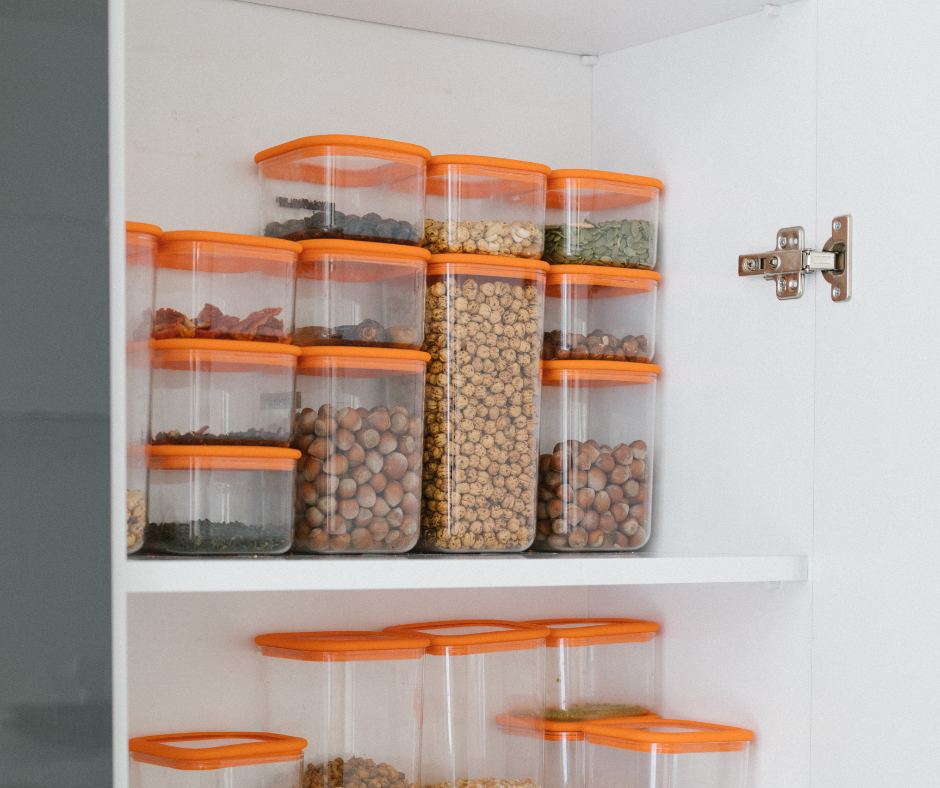
5. Stackable Containers
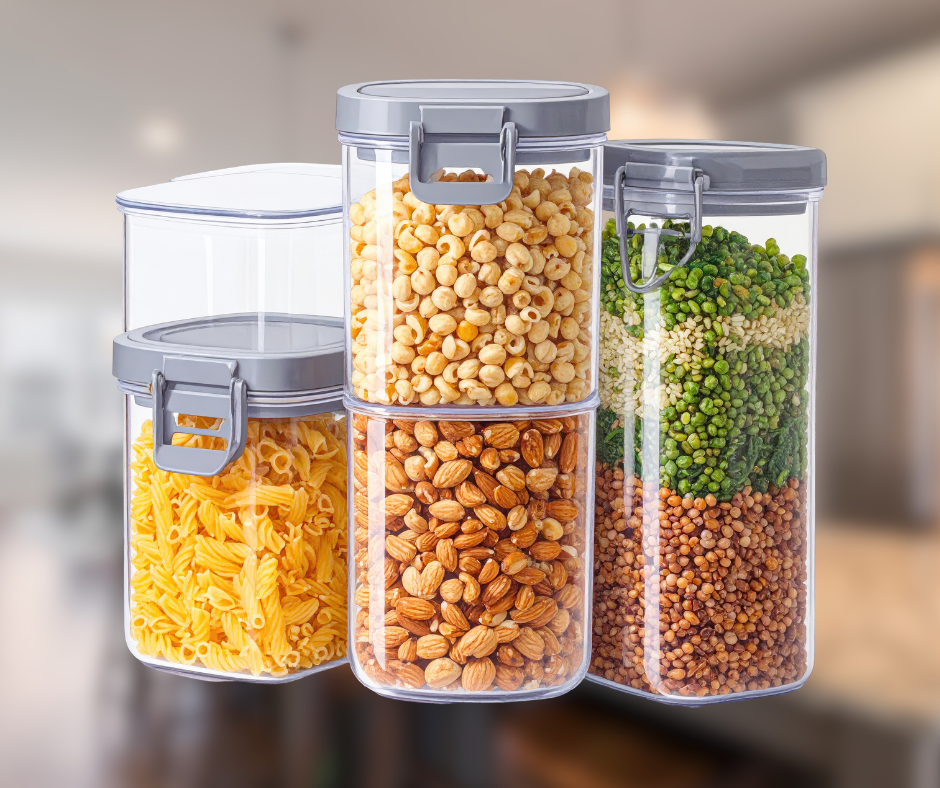
If your fridge tends to become a game of Tetris every time you go grocery shopping, stackable food storage containers could be the answer.
Containers designed to stack neatly on top of one another make better use of vertical space and help prevent food from being forgotten at the back of the fridge.
A consistent collection of containers in different sizes can also make your fridge look much more organised.
6. Meal Prep Containers
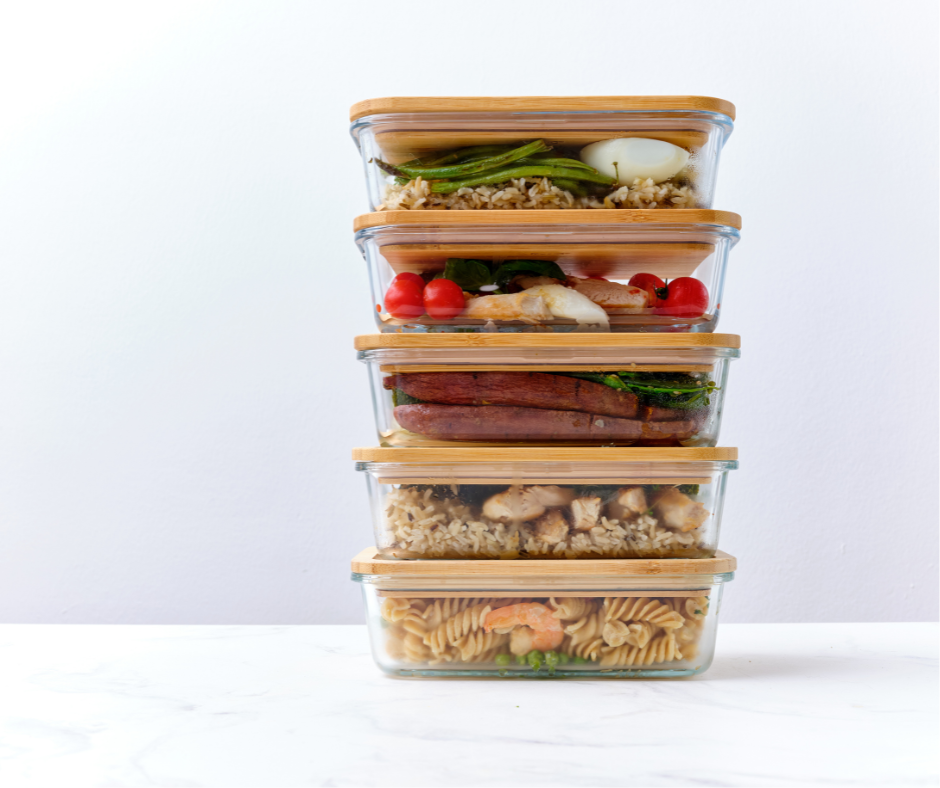
For people who enjoy preparing meals ahead of time, dedicated meal prep containers can make portioning and organisation much easier.
Divided containers are particularly useful when you want to keep different foods separate. They’re also convenient for lunches and ready-to-go meals.
Glass meal prep containers are increasingly popular because they’re easy to clean and generally don’t retain the smells and stains that can affect some plastic containers.
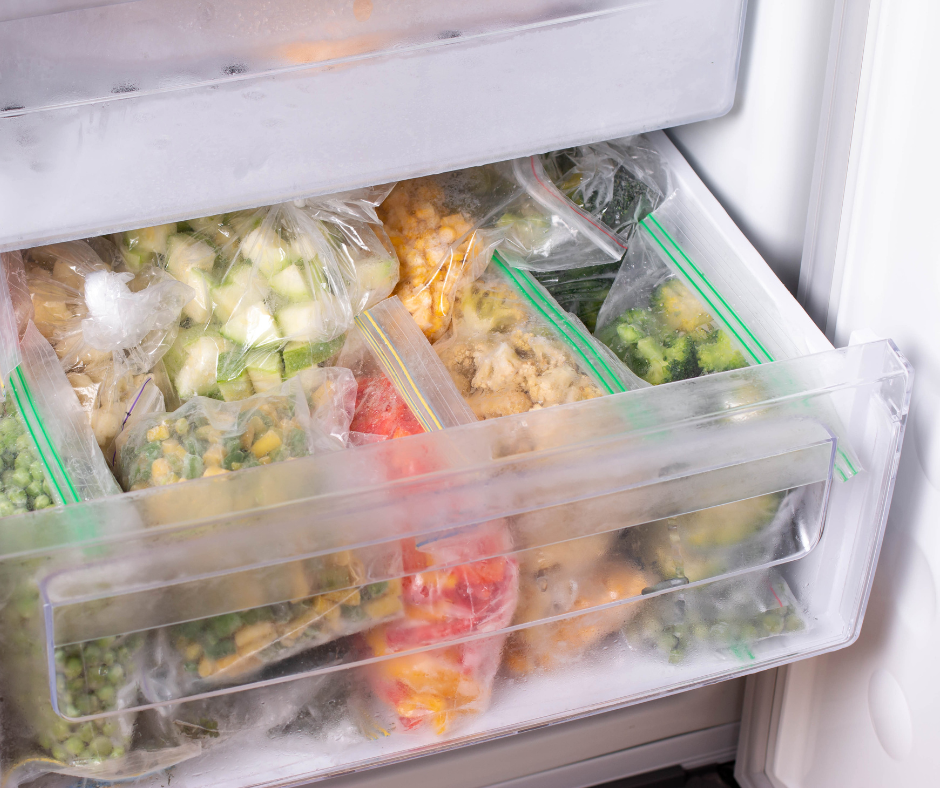
7. Freezer-Safe Containers
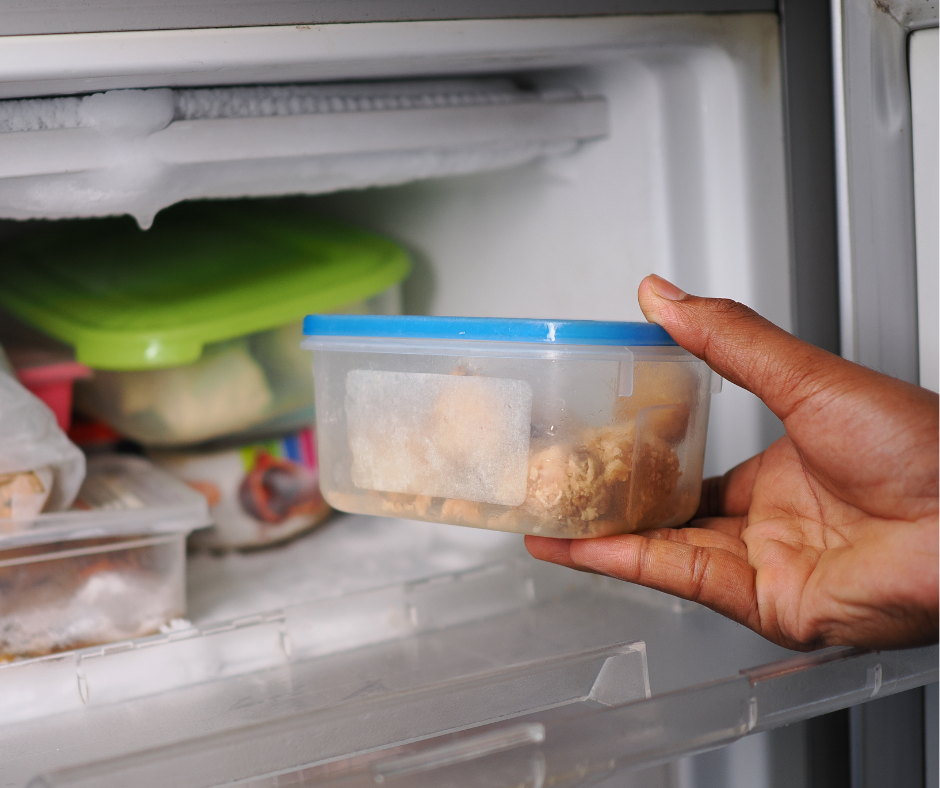
A good freezer-safe container can help protect food from freezer burn while keeping your freezer organised.
Look for containers specifically designed for freezing, with enough room for food to expand as it freezes. Leaving appropriate space at the top of the container can help prevent cracks or spills.
Don’t forget to label your containers with the contents and date. This makes it easier to track what you’ve stored and use older food first.
8. Small Containers for Snacks and Ingredients
Not every storage job needs a large container. Small food storage containers are perfect for nuts, chopped fruit, sauces, dips, herbs and other smaller ingredients.
Having several small containers available can also help prevent half-used packets and open food from cluttering your fridge.
Less clutter also means easier cleaning.
9. Containers with Secure Locking Lids
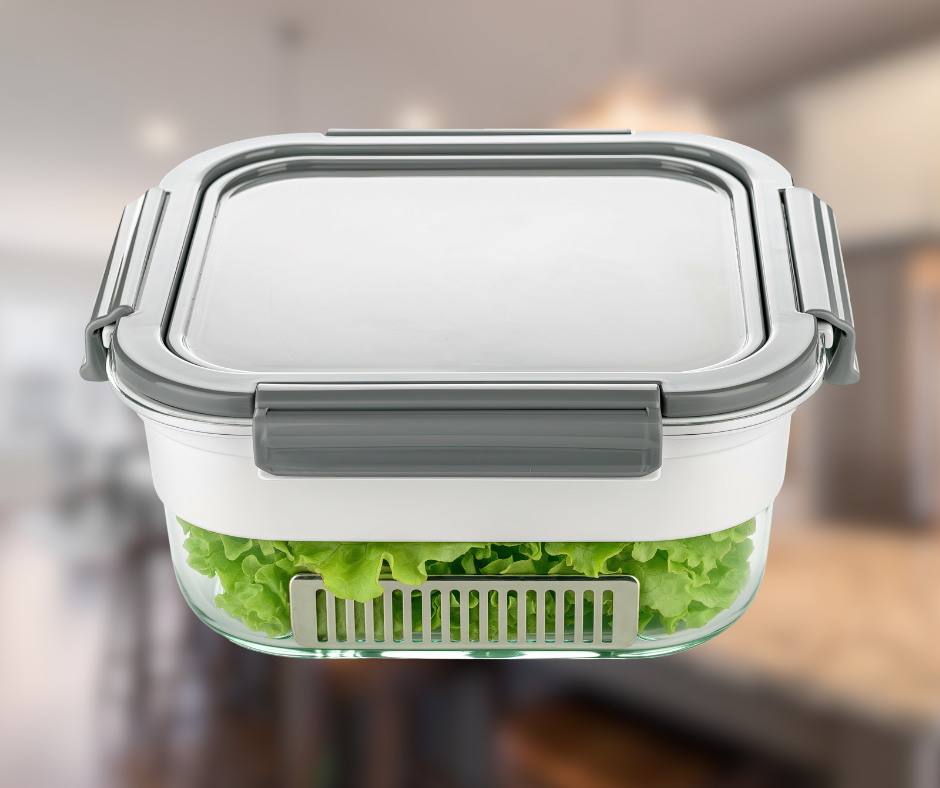
Nothing’s worse than opening your fridge to find yesterday’s leftovers have leaked across the shelf.
Containers with locking clips or secure sealing lids can help prevent spills and keep food properly contained.
They’re particularly useful for soups, sauces, marinades and other foods with a high liquid content.
10. Clear Containers for Better Organisation
Sometimes the best food storage containers are simply the ones that make it easier to see what you have.
Clear containers allow you to quickly identify leftovers and ingredients without opening every lid. This can help reduce food being forgotten at the back of the fridge and potentially going to waste.
A well-organised fridge also makes regular cleaning much easier because shelves and surfaces are easier to access.
Why Good Food Storage Matters
Good-quality food storage containers aren’t just about keeping your fridge looking organised. They’re also an important part of good food hygiene.
Food Standards Australia and New Zealand recommends storing food in containers to prevent contact between raw and ready-to-eat foods. Perishable food should also be kept refrigerated at 5°C or colder, while cooked food being cooled for later use should be cooled quickly.
Clean, well-maintained containers with secure lids can reduce spills, protect food from contamination, and make it easier to keep different foods separate.
Of course, even the best food storage containers can’t replace good kitchen hygiene.
Don’t Forget to Clean Your Fridge
Your containers may be spotless, but what about the shelf they’re sitting on?
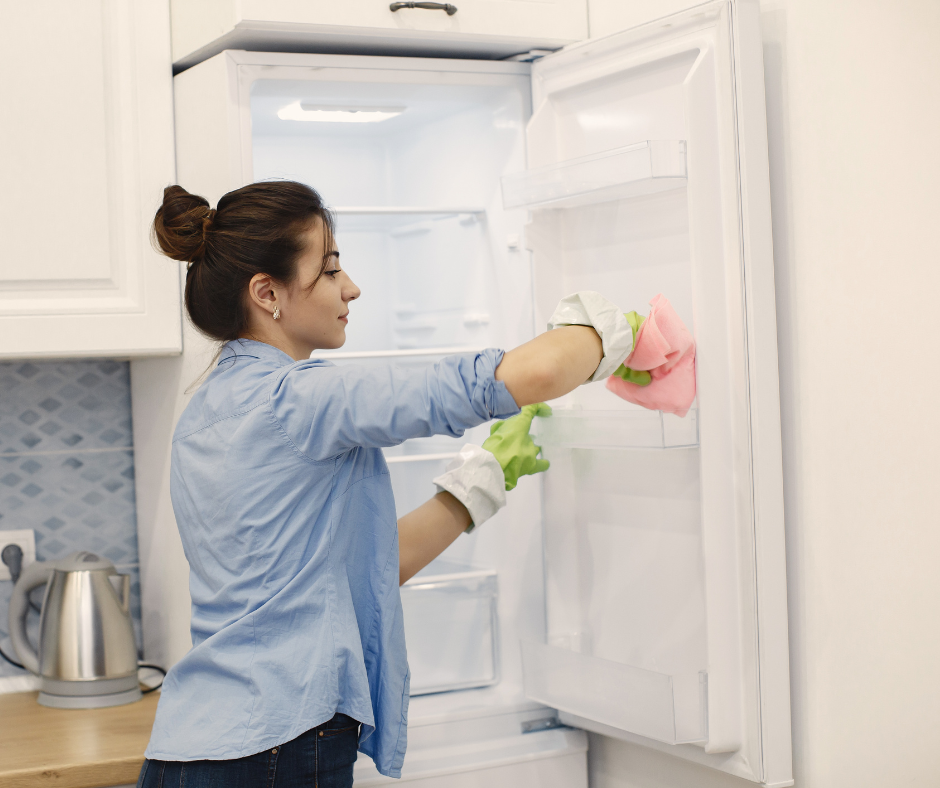
Food spills, crumbs, grease and forgotten leftovers can gradually build up inside your fridge and kitchen. Regular cleaning helps keep these areas fresh and makes it easier to spot expired or spoiled food.
We recommend regularly checking your fridge for expired or spoiled food, spills and sticky residue, crumbs and food particles, dirty shelves and drawers, food stored without a lid, and containers with damaged or poorly fitting lids.
Take containers out when cleaning your fridge so you can properly wipe down shelves, drawers, and hard-to-reach areas.
Let KompleteClean Take Care of the Kitchen
Keeping on top of everyday cleaning can sometimes feel like another job on an already long list. That’s where KompleteClean can help.
Our professional cleaning services can help keep your kitchen and wider home clean, fresh, and comfortable. From kitchen surfaces and floors to those areas that can easily get overlooked during a busy week, professional cleaning can take some of the pressure off.
While good food storage containers can help keep your food organised and your fridge easier to maintain, regular professional cleaning can help you stay on top of the wider kitchen environment.
A clean fridge, clean kitchen and properly stored food can all contribute to a home that feels fresher, more organised and easier to enjoy.
A Cleaner Kitchen Starts with Good Habits
Investing in quality food storage containers is a small change that can make a big difference. Choose containers that suit your lifestyle, keep them clean, label and rotate stored food, and regularly clean your fridge and kitchen surfaces.
And when you need an extra hand keeping your kitchen and home looking their best, KompleteClean is here to help.
Because a clean home isn’t just about how it looks; it’s about creating a fresh, comfortable environment for you and your family to enjoy.